
15 Eco-Friendly Practices in San Diego Meal Prep

In a world that increasingly values sustainability, meal prep is an excellent opportunity to incorporate eco-friendly practices into our daily routines. San Diego, known for its natural beauty and commitment to environmental health, offers plenty of ways to make your meal prep more sustainable. Here are some impactful practices that you can easily integrate into your cooking routine.
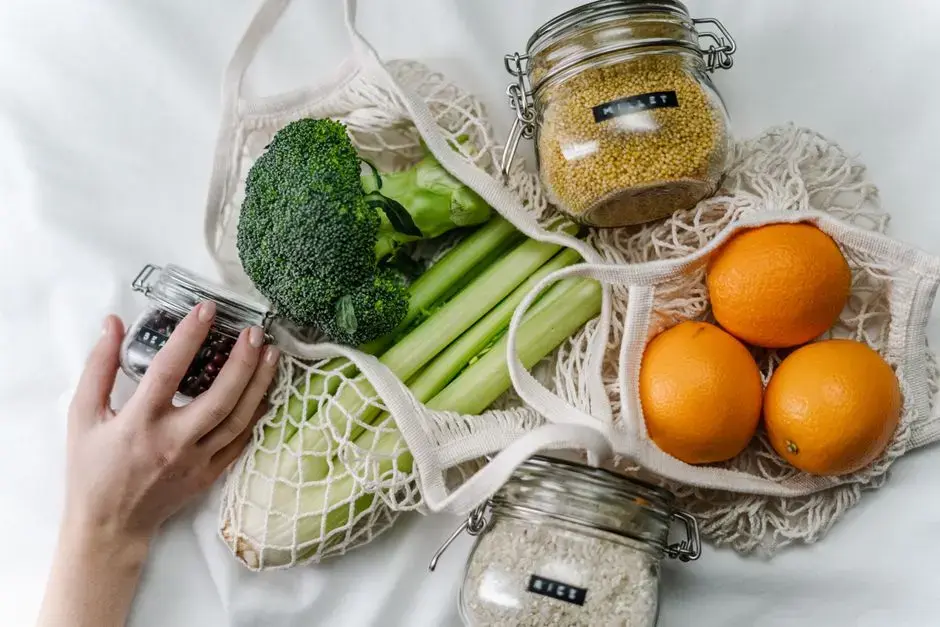
1. Embrace Local Ingredients
Choosing locally sourced produce and proteins reduces transportation emissions and supports San Diego farmers. But the benefits go beyond just sustainability; it allows you to enjoy the freshest flavors available. Did you know that when you eat local, you not only contribute to the economy but also reduce the carbon footprint associated with transporting food from distant places? This practice can make a considerable difference in our community. And when you visit local farmers' markets, you might discover unique products you won’t find in grocery stores, igniting your creativity in meal prep. Plus, getting to know your farmers can create a personal connection to your food.
By incorporating local ingredients into your dishes, you're not only savoring the seasonality and freshness but also supporting sustainable farming practices. For instance, consider how those avocados from up the coast have travelled fewer miles than those from another country. Each time you make this choice, you're taking a step towards a healthier planet. So visit that farmer's market or local farm stand; each visit can spark inspiration for your next meal prep session!
2. Utilize Seasonal Produce
Eating what's in season not only maximizes flavor but minimizes environmental impact by reducing the need for out-of-season imports. Think about it: when you consume strawberries in June rather than December, you are enjoying fruits that are ripe and bursting with nutrients at their peak. This practice makes your meals more vibrant and full of life and encourages you to try new recipes driven by what’s available at that time of the year.
Additionally, seasonal produce is usually more affordable, as it is abundant and requires less transportation. Imagine making a hearty winter squash soup with fresh, local butternut squash or a refreshing summer salad topped with sweet, ripe tomatoes and cucumbers—all harvested at their prime. By being intentional about what produce you choose, you can create delicious meals that nourish you and respect the environment.
3. Prioritize Plant-Based Meals
Incorporating more plant-based meals can reduce your carbon footprint and promote a healthier diet. Not only are plant-based foods often less resource-intensive to produce than animal products, but they also provide endless opportunities for creativity in the kitchen. California is famous for its diverse array of fruits, vegetables, and grains, making it easy and fun to try out new recipes that focus on plants.
Plus, you don't have to go fully vegan to enjoy the benefits; even just one or two days a week can make a significant impact. Think of delicious stir-fries packed with colorful veggies, hearty grain bowls topped with fresh herbs, or comforting soups that highlight lentils. Those can be both satisfying and good for the planet! Embracing this approach not only nurtures your health but also encourages a culinary adventure that can transform your meal prep experience.
4. Minimize Food Waste
Planning your meals and using leftovers creatively to recycle food and avoid unnecessary waste is essential for any eco-conscious cook. It’s surprising how much food we discard, and by being mindful, we can turn that around. One useful tip is to keep a 'leftovers night' on your weekly schedule where you utilize everything left in your fridge to whip up something delightfully unexpected. This not only reduces waste but also inspires creativity in the kitchen and saves you from cooking every single night!
Moreover, proper food storage techniques can also help prolong the life of your ingredients. Freezing, pickling, or even creatively repurposing vegetable scraps can all be part of your eco-friendly meal prep. For instance, instead of tossing those carrot tops, consider making a vibrant pesto! The possibilities are endless, and each delicious bite will remind you that sustainability can be a flavorful journey.
5. Opt for Bulk Bins
Buying grains, nuts, and spices from bulk bins helps reduce packaging waste and is often more cost-effective. This practice encourages you to purchase only what you need, eliminating excess packaging and waste. Imagine filling your reusable containers with shiny lentils, fluffy quinoa, or fragrant spices, all while supporting stores that embrace eco-friendly practices. It can turn grocery shopping into a mindful experience that reinforces your commitment to sustainability.
Abandoning the single-use plastic often associated with pre-packaged goods can also lead to a greater sense of satisfaction. Plus, the variety found in bulk bins can inspire new meal prep ideas. Who knows, you might stumble upon a grain you've never tried before, which could quickly become a favorite. So when you’re eating healthy and reducing waste, it creates a win-win situation for you and the planet.
6. Switch to Reusable Containers
Using glass or stainless steel containers for meal prep helps decrease single-use plastics and keeps food fresher. By doing this, you take an immediate action that has a positive effect on both your health and the environment. Not only can these containers withstand heat and cold without leaching harmful chemicals into your food, but they also come in a variety of sizes that can fit any meal prep scenario.
Moreover, investing in reusable containers encourages you to portion your meals wisely. You might find that smaller portions lead to less food waste and more mindful eating. Just imagine your fridge filled with beautifully arranged containers of vibrant meals, making it easy and inviting to grab something healthy and delicious on the go!
7. Grow Your Own Herbs
Having a small herb garden at home not only enhances your meals but also cuts down on plastic packaging from store-bought herbs. A sunny windowsill or a small balcony can transform into your personal herb sanctuary! Just picture fresh basil, mint, and cilantro at your fingertips whenever you need them, bursting with flavor and nutrients—way more tasty than anything wrapped in plastic.
Growing your own herbs also fosters a deeper connection to your cooking. As you nurture those plants, you’ll develop an appreciation for their flavors and the effort it takes to cultivate them, encouraging you to use them in new dishes. Plus, it adds beauty to your kitchen while keeping your meal prep fresh, flavorful, and sustainable. It’s a delightful practice that anyone, even in small spaces, can embrace!
8. Choose Eco-Friendly Cookware
Investing in sustainable cookware made from non-toxic materials can benefit both your health and the environment. Consider options like cast iron, stainless steel, or ceramic—these materials not only last longer but also eliminate the risk of harmful chemicals leaching into your food. Choosing eco-friendly cookware contributes to reducing kitchen waste and sets you up for success with every meal prep.
Moreover, many eco-friendly cookware brands also focus on responsible manufacturing practices, which means you are supporting companies that care about the planet. The right tools can elevate your cooking experience, inspiring you to experiment more boldly in the kitchen. Every time you reach for a pan crafted with sustainability in mind, you’ll feel good knowing you've made a choice that resonates with your eco-conscious lifestyle.
9. Compost Scraps
Composting food scraps enriches the soil and reduces waste in landfills but is often overlooked in meal prep. Imagine diverting your onion peels, apple cores, and vegetable scraps away from the trash and into a compost bin instead! This small change can have a profound impact on the environment by reducing methane emissions and creating nutrient-rich soil for gardens and plants.
Setting up a composting system at home can be simple! Whether you choose a bin, a tumbler, or even a worm composting system, there are many options available. Plus, it’s incredibly satisfying to witness how your food waste transforms over time, contributing back to the earth. Embracing composting in your meal prep brings a full-circle approach to sustainability.
10. Meal Prep for the Week
Cooking in batches reduces the energy used for cooking throughout the week and encourages mindful eating. By dedicating a few hours on the weekend to prep meals for the days ahead, you maximize both your time and resources. You can experiment with new recipes or create balanced dishes that include all food groups, ensuring you've fueled your body right.
Moreover, having pre-prepared meals at hand can eliminate last-minute takeout decisions that often rely on environmentally harmful practices. Instead, imagine reaching for a wholesome, homemade meal that’s just as easy to heat up! This approach not only supports your eco-friendly goals but also helps build healthier eating habits, creating a rhythm within your busy week.
11. Educate Yourself on Sustainable Seafood
Choose seafood from sustainable sources to support ocean health and enjoy better quality fish. In San Diego, we’re lucky to have access to plenty of local fisheries that prioritize sustainable practices. Understanding where your seafood comes from can empower you to make responsible choices that protect our oceans and the ecosystem. Not only does this ensure you’re getting fresh seafood, but it also connects your meal prep to larger ecological concerns.
Ask questions at your local fish market or do a bit of research to learn about which species are overfished or in danger. This knowledge can transform your approach to meal prep and inspire new dishes based on seasonal catch—think of flavorful grilled fish sandwiches or vibrant seafood tacos using only sustainably sourced fish. You're making a choice that resonates with your values when you prioritize sustainability.
12. Get Creative with Recipes
Being innovative with your recipes can help use up leftover ingredients and make meal prep exciting. Embrace the idea of versatility; after all, cooking is an art! A little bit of creativity can transform your refrigerator's remnants into a gourmet experience. Think beyond traditional recipes—how can last night’s quinoa become a delicious breakfast bowl topped with fresh fruit, or grilled veggies transformed into a flavorful stir-fry?
Experimenting with different cultures and cuisines can introduce exciting flavors into your meal prep routine. Perhaps try a Mediterranean vinaigrette with leftover roasted vegetables or create a spicy sauce out of your dwindling pantry items. Each innovative dish is not just an opportunity to reduce waste but also a chance to explore new tastes and textures that can bring joy to your cooking.
13. Engage in Community Supported Agriculture
Participating in a CSA allows you to receive fresh produce directly from local farms, fostering community and sustainability. When you sign up for a CSA, you not only get a delightful surprise of seasonal vegetables each week but also form a direct connection with the growers. This encourages you to explore unfamiliar ingredients, making meal prep a fun learning experience.
Moreover, knowing where your food comes from can deepen your appreciation for each meal. It becomes more than just nourishment; it becomes a way to participate in a community that shares your values regarding sustainability and environmental responsibility. Seeing everything included in your weekly share can ignite inspiration for healthy meal prep, pushing you to experiment with what you receive.
14. Practice Mindful Eating
Being aware of what and how much you're eating can help reduce waste and enhance your overall experience with food. Mindful eating is about tuning in to your hunger cues, emotions, and food choices. This practice can lead to more fulfilling meals and healthier choices, as you're more likely to appreciate the food on your plate.
When focusing on mindful eating, it will become easier to make decisions that align with your eco-friendly meal prep goals. By savoring each bite and paying attention to portion sizes, you'll naturally gravitate towards consuming what you truly need, reducing food waste in the process. This intentional approach can make mealtime a more cherished experience, allowing you to cultivate gratitude towards the food you prepare.
15. Share Your Meal Prep Journey
Inspiring others by sharing your eco-friendly practices can create collective change towards sustainability. Social media platforms, community boards, or even just conversations with friends can all serve as outlets for your experiences and insights. Showcasing how you incorporate local ingredients, minimize waste, or grow your own herbs can motivate others to start their own sustainable cooking journeys.
Your journey can become a ripple effect; each small action can inspire someone else to rethink their meal prep routines. By sharing a simple recipe that highlights sustainability or showcasing your favorite farmer's market, you create a space for dialogue around environmentally conscious living. Embracing this communal learning strengthens your commitment to eco-friendly practices and enriches your experience as you encourage others to join along!


Comments