
7 Essential Ingredients for a Perfect Gluten Free Meal Prep Experience

Meal prepping can be a game changer for anyone following a gluten-free diet. The right ingredients make all the difference, ensuring your meals are not just free from gluten, but also delicious and satisfying. Here, we’ll explore seven essential ingredients that are key to a seamless gluten-free meal prep experience, making healthy eating simple and enjoyable.
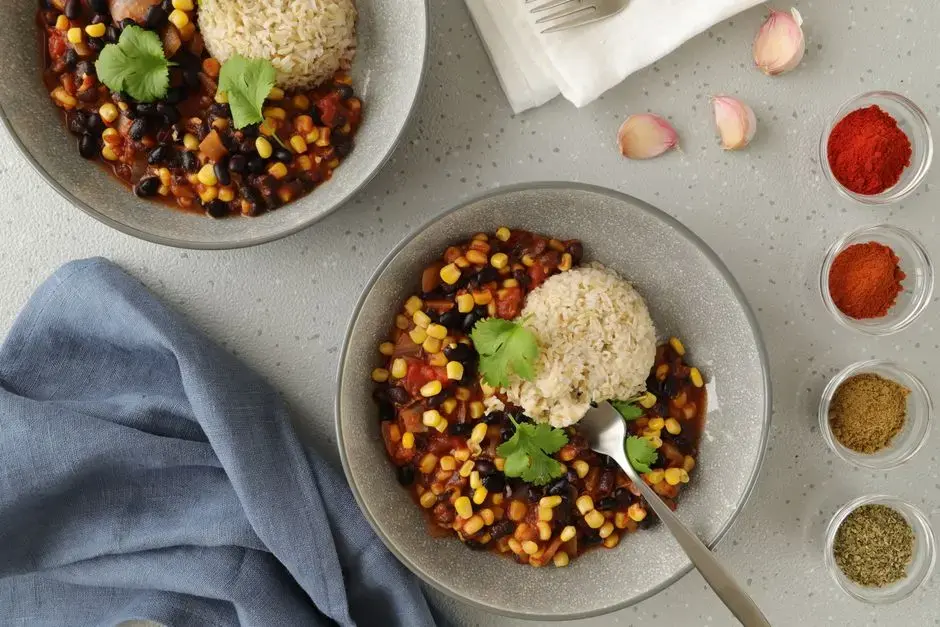
1. Naturally Gluten-Free Grains
Discover the grains that are safe to include in your diet, like quinoa, rice, and buckwheat, which can serve as nutritious bases for various dishes. Not only do these grains provide essential carbohydrates, but they also offer a wealth of nutrients that are often missed in gluten-containing options. Quinoa, for instance, is a complete protein and a great choice for adding to salads or bowls. On the other hand, rice serves as a blank canvas that absorbs flavors beautifully, whether it's steamed, fried, or baked.
But don’t limit yourself to just these three! Amaranth and millet are also excellent choices that enrich your gluten-free meal prep repertoire. Imagine the delightful texture of amaranth porridge on a chilly morning or the nutty flavor of millet served alongside roasted vegetables. These grains help diversify your meals, preventing the monotony that can sometimes come with meal prepping.
2. Powerful Proteins
Learn about proteins that are both gluten-free and satisfying, such as chicken, legumes, and tofu, to keep your meals hearty and fulfilling. Chicken is versatile, easily adapting to various cuisines and cooking methods, from grilling to slow-cooking. Legumes, including lentils and chickpeas, not only provide protein but also a considerable amount of fiber, which is essential for digestion.
Then, there's tofu—an excellent plant-based option that can soak up flavors from marinades, making it a terrific addition to stir-fries or salads. Don't shy away from eggs, either! They’re fantastic for meal prepping, allowing you to create breakfast burritos, egg muffins, or even hearty salads topped with a soft-boiled egg for a protein punch. Incorporating a variety of protein sources helps to keep your meals balanced and appealing.
3. Colorful Vegetables
Explore the many vegetables that not only add a splash of color but also essential nutrients to your meals, making every bite enjoyable. Think of vibrant bell peppers, leafy greens, and roasted carrots—each contributes unique vitamins and minerals while providing texture that elevates your dishes. Adding sautéed spinach to a quinoa bowl, for instance, not only enhances the visual appeal but also amps up the nutritional value.
Don’t forget about seasonal vegetables! By incorporating seasonal produce into your meal prep, you’ll benefit from peak flavors and nutrition. For example, zucchini and asparagus in spring can yield delightful meals that are refreshing and bright. Plus, having a variety of vegetables on hand means you can switch up your meals easily throughout the week. It’s all about keeping it interesting and nourishing!
4. Flavorful Herbs and Spices
Find out how herbs and spices can transform your gluten-free meals, adding vibrant flavors without any gluten. Fresh herbs like basil, cilantro, and parsley bring a fresh burst to any dish, while dried spices such as cumin, paprika, and turmeric can completely change the flavor profile of your meals. The beauty of meal prepping is in the ability to mix and match these flavors, ensuring that you never eat the same meal twice unless you want to!
Consider creating a mixed herb seasoning that you can sprinkle onto vegetables before roasting; it's an easy way to enhance flavor without major effort. A dash of garlic powder or onion powder can also elevate the simplest of dishes. Experimenting with your spice rack not only offers a creative outlet but also adds health benefits that come with each herb and spice.
5. Versatile Sauces and Condiments
Get to know gluten-free sauces and condiments that can enhance your dishes—think salsas, dressings, and marinades that pack a punch. A zesty homemade vinaigrette can invigorate your mixed greens, while a robust salsa can serve as a refreshing condiment for grilled meats or tacos. Please remember that not all sauces are created equal, so ensure you check the labels for hidden gluten.
Moreover, consider whipping up your own sauces! Homemade pesto made with gluten-free ingredients not only tastes divine but is also a fantastic way to use up herbs and contribute to your gluten-free meal prep. The key is to find a few go-to sauces that you can batch prepare and store, ready to elevate your gluten-free meals at a moment’s notice.
6. Healthy Fats
Understand the importance of incorporating healthy fats into your meal prep, from olive oil to avocados, to keep your meals satisfying. Healthy fats are crucial for your body, supporting brain health, and keeping you full longer. Use olive oil for sautéing your vegetables or drizzling over salads, and don’t underestimate the power of avocado, which lends creaminess to meals while offering a dose of good fats.
Also, consider adding seeds and nuts as toppings to salads or grain bowls. Things like chia seeds, flaxseeds, and walnuts not only provide healthy fats but also add texture and crunch that make your meals more exciting. When you integrate these fats into your meal prepping, you'll create delicious dishes that not only fuel your body but also satisfy your taste buds.
7. Nutritious Snacks
Don’t forget about gluten-free snacks! Discover quick and easy snack options that can help you stay energized throughout your busy days. Snack time can often be an afterthought; however, planning for it can help you avoid unhealthy choices. Think about keeping energy bars, fruit, and yogurt on hand for those busy afternoons when you need a lift.
Incorporate veggie sticks paired with hummus or guacamole for a crunchy, satisfying snack that also feels indulgent. By designing your gluten-free meal plan to include snacks, you’ll not only give your body the nutrients it needs but also ensure you maintain your energy levels, making your overall meal prep a success throughout the day.


Comments